12 Oct 2026
Step-by-Step Guide to Exporting Yarn from India
31 May 2026
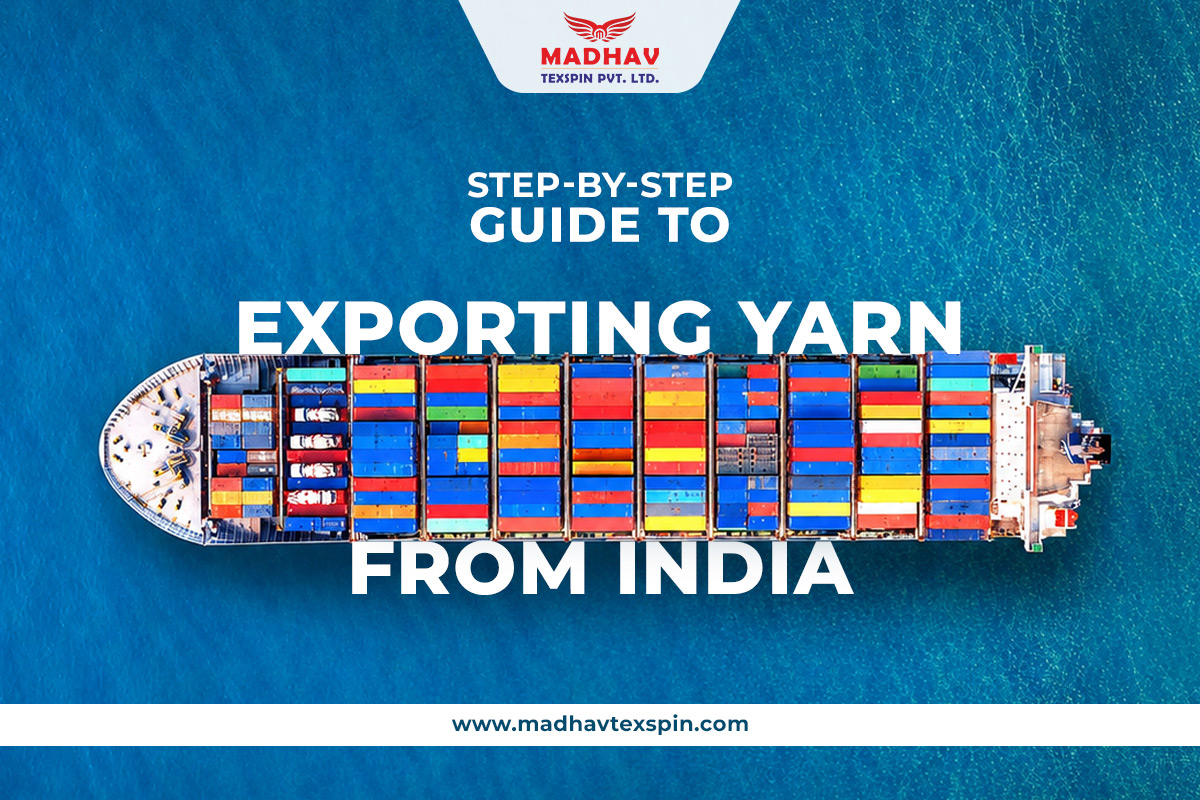
India has long been a global leader in textile production, with cotton yarn being one of its most demanded exports across markets like the USA, Europe, and the Middle East. Exporting yarn from India offers tremendous growth opportunities but only when done with the right process, compliance, and quality standards.
Madhav Texspin, exporting high quality yarn is not just about production; it’s about following a structured system that ensures smooth global trade. This guide walks you through the complete step by step process of exporting yarn from India.
Step 1: Understand the Global Yarn Market
Before entering the export business, it is essential to analyze international demand and identify target markets. Countries importing cotton yarn often have specific requirements regarding quality, certifications, and pricing.
Exporters must evaluate:
- Demand trends in textile producing countries
- Buyer expectations (quality, sustainability, certifications)
- Competitor pricing and product positioning
Market research helps in identifying the right buyers and positioning your yarn effectively in the global market.
Step 2: Register Your Export Business
To export yarn legally from India, proper business registration is mandatory.
Key Requirements:
- Business registration (Proprietorship, LLP, or Pvt. Ltd.)
- PAN (Permanent Account Number)
- GST registration
- Import Export Code (IEC) from DGFT
The IEC is essential for all export transactions and customs clearance processes.
Step 3: Obtain Necessary Certifications
Yarn exporters must comply with international quality and sustainability standards to compete globally.
Common Certifications:
- ISO 9001 (Quality Management)
- GOTS (for organic yarn)
- OEKO TEX® (chemical safety compliance)
These certifications improve buyer trust and open doors to premium global markets.
Step 4: Find International Buyers
Once your business is registered, the next step is to secure buyers.
Ways to Find Buyers:
- B2B platforms (Alibaba, IndiaMART, TradeIndia)
- Textile trade fairs and exhibitions
- Export promotion councils
- Direct outreach to international textile companies
Understanding buyer requirements such as yarn count, quality, packaging, and delivery timelines, is crucial for successful deals.
Step 5: Price Negotiation & Order Confirmation
After identifying buyers, exporters share a Proforma Invoice detailing:
- Product specifications
- Quantity and pricing
- Payment terms (LC, advance, etc.)
- Delivery schedule
Once the buyer agrees, a purchase order is issued, confirming the export deal.
Step 6: Production & Quality Control
At this stage, the yarn is manufactured or prepared as per buyer specifications.
Key Focus Areas:
- Yarn strength and uniformity
- Proper count and twist
- Defect free production
- Pre shipment inspection
Quality consistency is critical, especially for Madhav Texspin, which cater to global markets with high standards.
Step 7: Documentation Preparation
Export documentation is one of the most important steps in the process. Missing or incorrect documents can delay shipments or payments.
Essential Export Documents:
- Commercial Invoice
- Packing List
- Bill of Lading / Airway Bill
- Certificate of Origin
- Insurance Certificate
- Export License (if required)
Proper documentation ensures smooth customs clearance and international compliance.
Step 8: Packaging and Labeling
Yarn must be packed carefully to prevent damage during transit.
Packaging Tips:
- Use moisture proof materials
- Ensure strong and durable cartons
- Label with product details, HS code, weight, and origin
Proper packaging protects the product and ensures safe delivery to international buyers.
Step 9: Customs Clearance & Shipping
Before shipment, exporters must complete customs procedures:
Process Includes:
- Filing the Shipping Bill
- Customs inspection of goods
- Approval for export
Once cleared, goods are loaded onto ships or aircraft for international transport.
Step 10: Payment & Post Shipment Process
After shipment, exporters submit documents to the bank to receive payment.
Common Payment Methods:
- Letter of Credit (LC)
- Advance Payment
- Documents Against Payment (DAP)
Timely payment realization is crucial for maintaining cash flow and business growth.
Role of Madhav Texspin
Successful yarn export is not just about following steps; it’s about delivering consistent quality, maintaining global standards, and building long term relationships with buyers.
Madhav Texspin plays a vital role in this ecosystem by:
- Producing high quality cotton yarn
- Ensuring strict quality control
- Adapting to global textile trends
- Supporting sustainable and efficient manufacturing
Common Challenges in Yarn Export
While exporting offers great opportunities, exporters may face challenges such as:
- Fluctuating raw material prices
- Strict international compliance requirements
- Logistics and shipping delays
- Currency exchange risks
However, with proper planning and experience, these challenges can be effectively managed.
Conclusion
Exporting yarn from India is a structured yet rewarding process. From business registration to final delivery, each step requires precision, compliance, and quality control. As global demand for Indian cotton yarn continues to rise, exporters who follow the right process and maintain high standards will thrive in international markets.
With its commitment to excellence and innovation, Madhav Texspin is well positioned to contribute to India’s growing presence in the global textile industry.
Recent Posts