24 Sep 2026
How Premium Cotton Yarn Improves Fabric Quality in Textile Manufacturing
12 Oct 2026
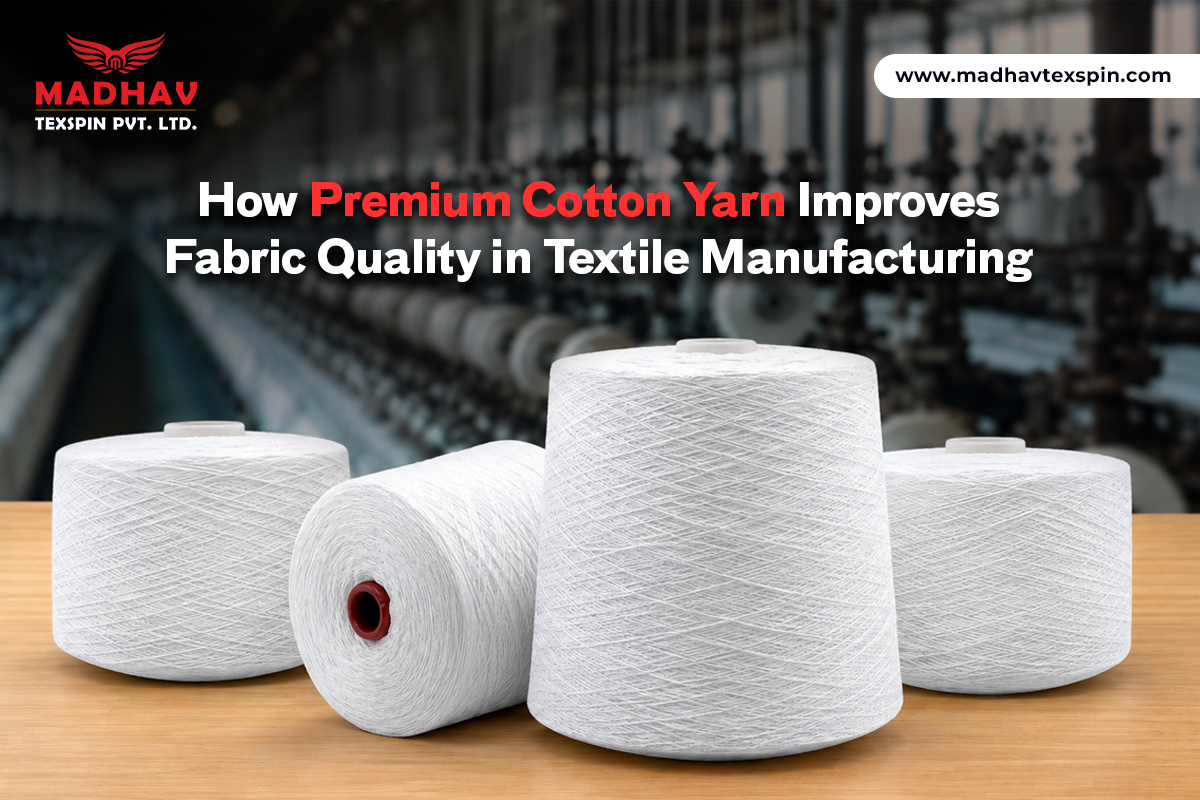
In textile manufacturing, fabric quality is shaped long before weaving or knitting begins. It starts with yarn. For mills, garment makers, and brands, choosing premium cotton yarn is not simply a material decision, it influences production efficiency, fabric appearance, comfort, durability, and consistency across every batch.
At Madhav Texspin, we believe that high performing fabrics begin with carefully selected cotton and disciplined spinning. From bale management through winding, every process stage contributes to the behavior of the yarn and, ultimately, the value of the finished fabric.
1. Better Fibre Selection Creates a Stronger Foundation
Premium cotton yarn begins with a more controlled selection of raw cotton. Key fibre characteristics include staple length, length uniformity, strength, micronaire, colour, and trash content. These properties are widely used by the textile industry to assess how cotton will perform during spinning and in the final product.
Staple length and uniformity are especially important. Cotton with more uniform fibre lengths can support smoother spinning and more even yarn formation. According to CottonWorks, fibre length affects yarn strength, evenness, and spinning efficiency. When fibres are better aligned and held together effectively in the yarn structure, the resulting fabric can offer improved strength and a cleaner surface.
2. Improved Yarn Evenness Enhances Fabric Appearance
A fabric may look simple, but its surface reveals the quality of the yarn used to make it. Uneven yarn can create thick and thin places, inconsistent texture, visible barre, and irregular stitch or weave definition.
Premium cotton yarn is produced with closer control over count variation, twist, hairiness, and imperfections. This helps fabric manufacturers achieve:
- A more uniform fabric surface
- Cleaner knit loops and sharper woven constructions
- Reduced risk of streaks or uneven visual effects
- Better consistency from one production lot to another
For apparel, home textiles, and premium knitwear, this uniformity makes a meaningful difference. A smoother fabric surface also gives brands a more refined base for printing, embroidery, finishing, and garment washing.
3. Higher Yarn Strength Supports Durable Fabrics
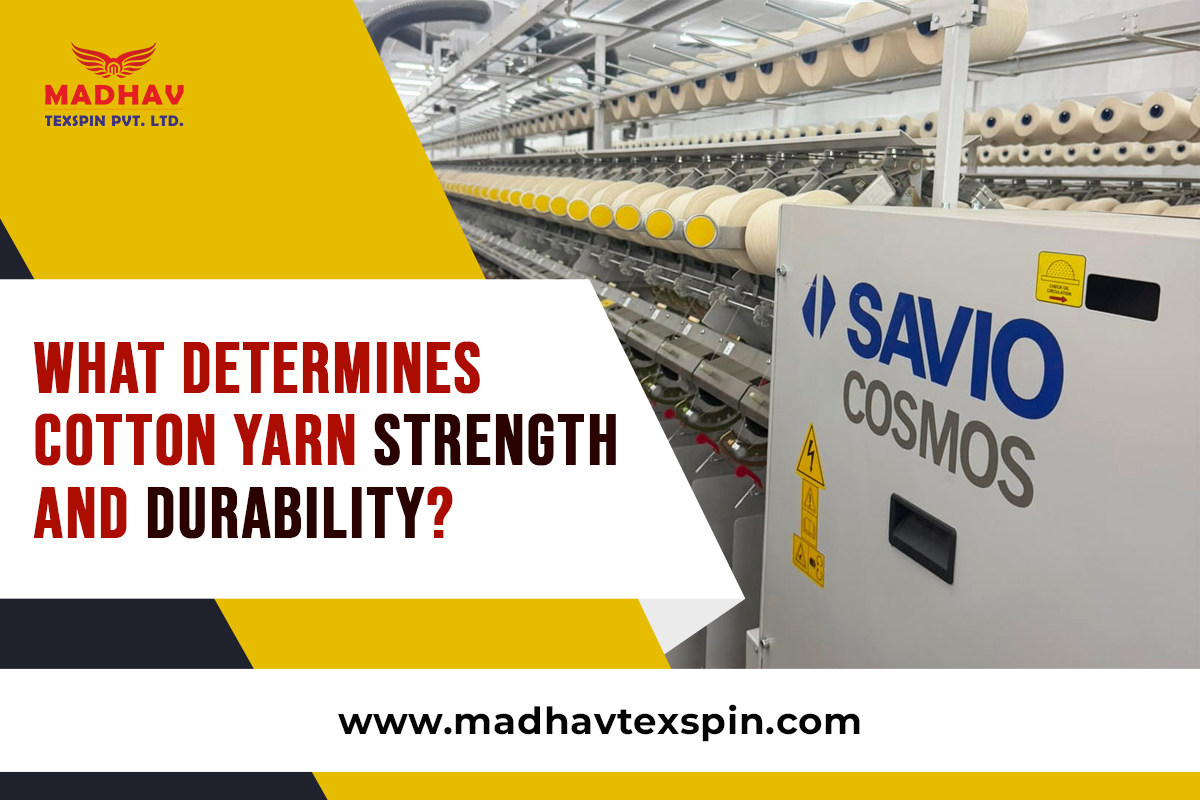
Yarn strength directly affects how a fabric performs during weaving, knitting, stitching, finishing, and everyday use. Stronger, well spun cotton yarn can reduce end breakages during production and help fabrics withstand repeated wear and laundering.
However, strength is not achieved by twist alone. It is a balance of fibre quality, fibre alignment, spinning method, twist level, and process control. Excessive twist can make yarn feel harsh, while insufficient twist can reduce cohesion. The goal is a yarn that delivers dependable strength without sacrificing softness and flexibility.
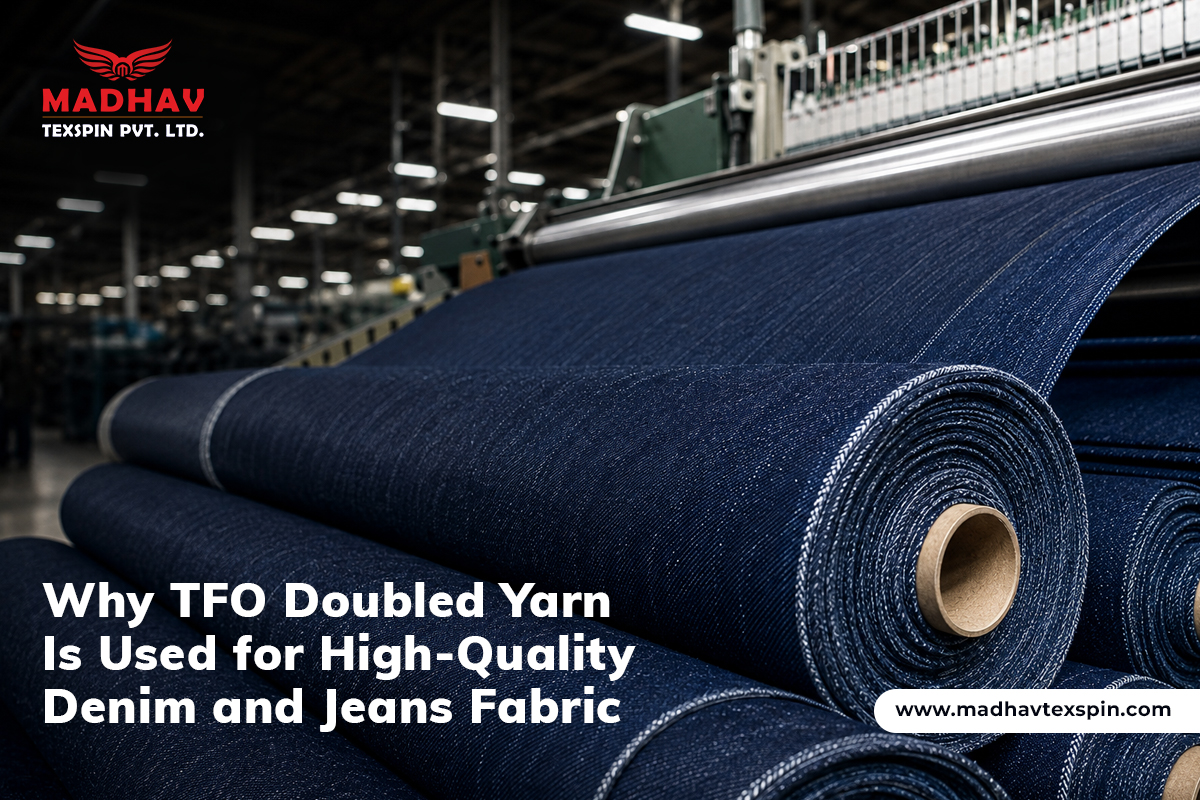
For products such as workwear, towels, denim, bedding, uniforms, and everyday apparel, durable yarn contributes to better tear resistance, seam performance, and long term garment value.
4. Softer Yarn Creates a More Comfortable Fabric
Comfort remains one of cotton’s greatest advantages. Premium yarn can enhance that advantage by reducing excessive protruding fibre ends and improving yarn smoothness.
Combed and compact spun cotton yarns, for example, are often selected for applications where a softer hand feel and cleaner fabric appearance are priorities. By managing short fibres and improving fibre arrangement before twist is inserted, these yarns can help produce fabrics that feel gentler against the skin.
This is particularly valuable for:
- T shirts and casualwear
- Innerwear and hosiery
- Babywear
- Bed linen
- Premium fashion knits
A fabric’s softness is also influenced by construction and finishing, but the right yarn gives manufacturers a better starting point.
5. Consistent Micronaire Helps Dyeing Quality
Colour consistency is critical in modern textile manufacturing. Micronaire, a measure related to cotton fibre fineness and maturity, can influence processing and dyeing behaviour. CottonWorks notes that variation in micronaire within fabric may contribute to poor colour uniformity, including barre or streaks.
For dye houses and fabric processors, consistent yarn quality helps support more predictable dye uptake and shade matching. This can reduce reprocessing, minimise rejection risk, and make it easier to maintain colour continuity across large orders.
Premium yarn is therefore especially valuable when producing solid dyed fabrics, fashion collections with strict shade standards, branded uniforms, and export quality home textiles.
6. Reduced Breakages Can Improve Manufacturing Efficiency
Yarn quality affects more than the finished fabric; it affects the production floor. Weak places, excessive hairiness, contamination, and unevenness can lead to breaks on knitting machines or looms. Every break requires attention, interrupts production, and can increase waste.
A dependable cotton yarn can help manufacturers improve machine running efficiency and reduce avoidable stoppages. While performance depends on the machine, fabric construction, humidity, and process settings, consistent yarn gives production teams a more stable material to work with.
This makes premium yarn a practical investment, not merely a luxury input.
7. The Right Yarn Must Match the End Use
“Premium” does not mean one yarn suits every fabric. The best specification depends on the end product. A lightweight fine gauge knit, a durable woven shirt, a towel, and a denim fabric each require different yarn counts, spinning systems, twist levels, and performance priorities.
At Madhav Texspin, our focus is on helping textile manufacturers source cotton yarn suited to their application whether they require open end yarn, ring spun yarn, carded or combed compact yarn, twisted yarn, or sustainable cotton yarn options.
Final Thought
Fabric quality is built from the yarn upward. Premium cotton yarn can improve surface smoothness, strength, comfort, dyeing consistency, and manufacturing efficiency benefits that reach every stage of the value chain, from the spinning mill to the end consumer.
For textile businesses aiming to create dependable, high value fabrics, selecting the right yarn is one of the most important decisions they can make.
Madhav Texspin combines controlled spinning processes, modern manufacturing technology, and a quality focused approach to deliver cotton yarn solutions for diverse textile applications.
Recent Posts